
A regional franchise permit is a contractual authorization granting the holder exclusive rights to develop and support multiple franchise operations within a specific geographic area. No single government agency issues a document called a "regional franchise permit." The term refers to private business agreements, most commonly an Area Development Agreement or a Master Franchise Agreement, that define territorial rights, development obligations, and the relationship between a franchisor and a regional operator. Understanding this distinction is the first step every entrepreneur must take before pursuing regional franchise expansion.
What is a regional franchise permit, and what agreements define it?
A regional franchise permit is not a government license. It is a contractual right over multiple locations granted through one of two primary agreement structures: an Area Development Agreement or a Master Franchise Agreement. Each structure carries different legal obligations, financial exposure, and operational responsibilities.
An Area Development Agreement gives the holder the right to open and operate a set number of franchise units within a defined territory over a fixed period. A common example is a commitment to open 3 units within 3 years. The area developer operates those units directly and does not recruit or support other franchisees. This structure suits operators who want territorial exclusivity while maintaining direct control over every location.

A Master Franchise Agreement goes further. The master franchisee receives the right to recruit, train, and support independent franchisees within the territory, functioning as a sub-franchisor legally. This distinction carries significant legal weight. Under the FTC Franchise Rule, master franchisees must prepare their own Franchise Disclosure Documents, separate from the original franchisor's FDD, before they can offer or sell franchises to others. That requirement applies in all 50 states and adds a layer of regulatory compliance that area developers do not face.
| Agreement type | Who operates units | Recruits sub-franchisees | Requires own FDD |
|---|---|---|---|
| Single-unit franchise | Franchisee directly | No | No |
| Area Development Agreement | Developer directly | No | No |
| Master Franchise Agreement | Sub-franchisees | Yes | Yes |
Pro Tip: If you are evaluating a master franchise opportunity, hire a franchise attorney before signing. The legal obligations of a sub-franchisor are materially different from those of an area developer, and the cost of getting it wrong is high.
What financial and operational requirements apply to regional franchise rights?
Securing regional franchise rights requires meeting financial thresholds that most single-unit operators do not face. Franchisors typically require minimum liquidity of $350,000 to $500,000 and a net worth of around $1 million for established brands. Initial investments for regional rights range from $50,000 to $192,000 or more, depending on the brand and the size of the territory. That figure sits on top of the capital required to actually build and open each unit.
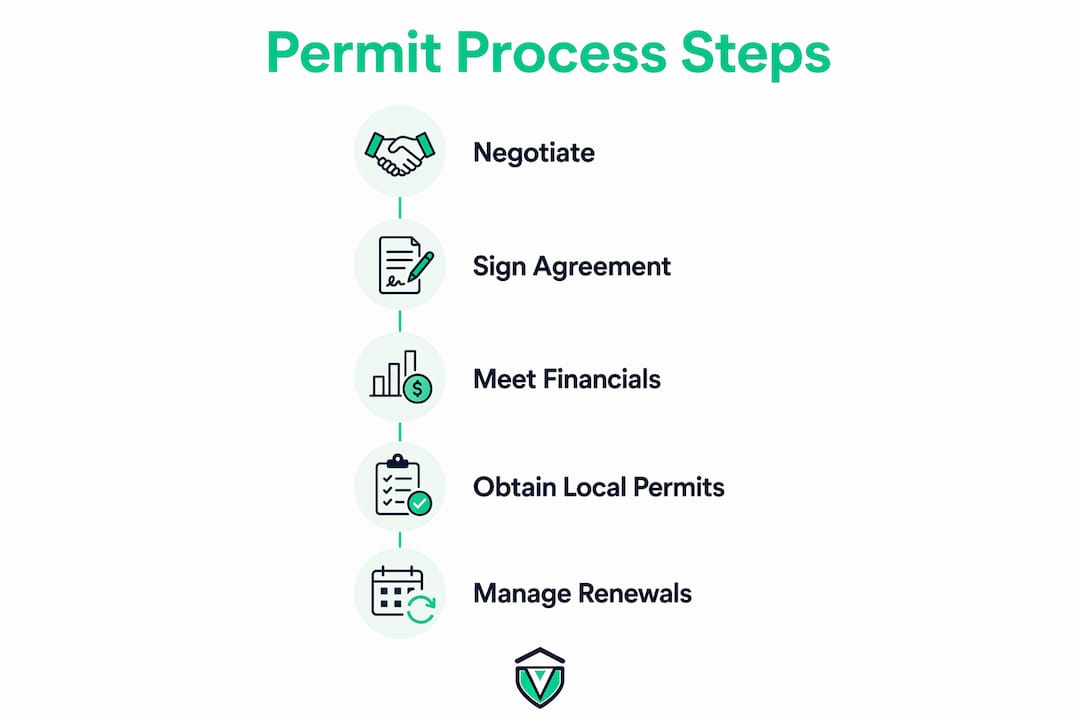
Beyond capital, franchisors evaluate operational experience. A candidate with no prior franchise or multi-unit management background rarely qualifies for regional rights, regardless of net worth. Franchisors want evidence that the regional operator can recruit talent, maintain brand standards, and hit development schedules without constant support from the corporate team.
The development schedule itself is a binding obligation. Missing unit-opening deadlines can trigger penalties or termination of the regional agreement. Operators should model their cash flow against the full development timeline before committing, not just the first unit.
Qualification criteria franchisors commonly require:
- Minimum liquid capital of $350,000 to $500,000
- Net worth of at least $1 million for larger brands
- Demonstrated multi-unit or franchise management experience
- Strong local market knowledge within the target territory
- Access to a management team capable of supporting multiple locations
- Financial capacity to fund the full development schedule
Pro Tip: Request the franchisor's Item 19 Financial Performance Representation from the FDD before negotiating territory size. The unit-level economics determine whether the regional fee is worth paying.
What local permits does each franchise location require?
Regional franchise rights do not authorize a business to open its doors. Every physical franchise location requires its own set of operational permits and licenses issued by local and state governments. This is the layer of compliance that catches many new regional operators off guard.
The permits required at each location typically include:
- Business license: Issued by the city or county, authorizing the entity to operate commercially at that address.
- Certificate of Occupancy: Confirms the building meets local zoning and safety codes for the intended use.
- Health department permit: Required for any food service operation, with inspections at rough-in and final stages.
- Signage permit: Governs exterior sign dimensions, lighting, and placement per local ordinance.
- Fire safety inspection: Confirms suppression systems, exits, and equipment meet fire code.
- Seller's permit or sales tax license: Required in most states for retail or food sales.
Processing times for individual permits normally range from 3 to 15 business days, but that figure assumes a complete and accurate application. Municipal plan checks for construction or renovation can extend total approval timelines to 10 weeks or more. A regional operator opening multiple units simultaneously faces this process at every location, in every jurisdiction, often under different rules.
The variation across municipalities is the real operational challenge. A health permit in one county may require two inspections. The neighboring county may require three, on a different schedule, with different documentation. Operators who treat every location as identical will miss deadlines.
Pro Tip: Build a permit tracker for each location from day one. Log every permit type, the issuing agency, the application date, the expected approval date, and the renewal date. A franchise location permit checklist gives you a ready-made framework to start from.
How do you obtain and manage regional franchise permits without delays?
Permit delays are almost always caused by the applicant, not the agency. Incomplete permit application packages are the leading cause of correction cycles, which restart approval timelines and push opening dates back by weeks. Submitting a complete package with all drawings, fees, signatures, and supporting documents on the first attempt is the single most effective way to reduce time to market.
Submitting a perfect package the first time, including all drawings, fees, and signatures, significantly reduces correction cycles and keeps your opening timeline on track. Agencies process complete applications faster. Incomplete ones go to the back of the queue.
The regional operator's legal responsibilities compound this challenge. A master franchisee acting as a sub-franchisor must manage FDD compliance, state registration requirements, and the permit obligations of every franchisee they support. That is a substantial administrative load on top of running their own operations.
Follow these steps to manage the process effectively:
- Map every permit required for each location before construction begins. Use the local municipality's business portal and confirm requirements directly with the relevant agencies.
- Assign a permit owner for each location. One person is responsible for tracking every application, inspection, and renewal at that address.
- Submit complete applications. Verify every document, fee, and signature before submission. A single missing item restarts the clock.
- Schedule inspections early. Health and fire inspections often have lead times. Book them as soon as construction milestones allow.
- Track renewal dates centrally. Permits expire. A lapsed permit at one location can trigger fines or forced closure while the rest of the network operates normally.
- Use a centralized compliance platform. Regional operators managing multi-unit permit compliance across multiple jurisdictions cannot rely on spreadsheets at scale.
Regional developers who invest in local operational expertise consistently outperform those who try to manage compliance remotely. Local knowledge of municipal timelines, inspector preferences, and agency quirks reduces approval times in ways that no checklist fully captures.
Pro Tip: In states with franchise registration requirements, such as California, Maryland, and New York, confirm whether your master franchise agreement triggers state-level FDD registration before you recruit a single sub-franchisee. The penalty for non-compliance is significant.
Key Takeaways
A regional franchise permit is a private contractual right, not a government license, and every franchise location still requires its own local operating permits regardless of the regional agreement in place.
| Point | Details |
|---|---|
| Regional permit is a contract | Area Development and Master Franchise Agreements grant territorial rights, not government licenses. |
| Master franchisees need their own FDD | Sub-franchisors must prepare independent Franchise Disclosure Documents under the FTC Franchise Rule. |
| Financial thresholds are high | Expect minimum liquidity of $350,000 to $500,000 and net worth near $1 million for most brands. |
| Local permits are mandatory per location | Business licenses, Certificates of Occupancy, and health permits apply to every physical unit. |
| Incomplete applications cause most delays | Submitting a full, accurate package on the first attempt is the fastest path to approval. |
The part of regional franchising most operators underestimate
I have watched operators spend months negotiating territory size and initial fees, then get blindsided by the permit process at the unit level. The regional agreement gets all the attention. The local permits get none. That imbalance is where expansion timelines fall apart.
The most common misconception I see is that securing regional rights means the hard regulatory work is done. It is not. The regional agreement is the starting line. The real compliance work begins when you file your first permit application in a new municipality. Every city has its own rhythm, its own inspectors, and its own interpretation of what "complete" means on an application.
What actually works is treating permit management as an operational function, not an administrative afterthought. Operators who assign dedicated permit owners per location, build renewal calendars from day one, and submit complete applications consistently open faster and with fewer surprises. The ones who delegate it informally or track it in a shared spreadsheet miss deadlines and pay for it.
The other underrated factor is local relationships. A regional developer who knows the local health inspector, understands the municipality's plan check process, and has opened locations in that market before will move faster than a well-funded outsider every time. That local expertise is why the regional developer model exists. It is not just about capital. It is about knowing how the market actually works.
If you are planning a regional expansion in 2026, build your permit management infrastructure before you need it. The cost of setting it up early is trivial compared to a delayed opening.
— Rakin
How Vaultedai helps regional operators stay compliant
Managing permits across multiple franchise locations in multiple jurisdictions is an operational problem that grows with every unit you open. Vaultedai is built specifically for multi-location businesses that need a single place to track every permit, license, renewal deadline, and compliance document across their entire network.
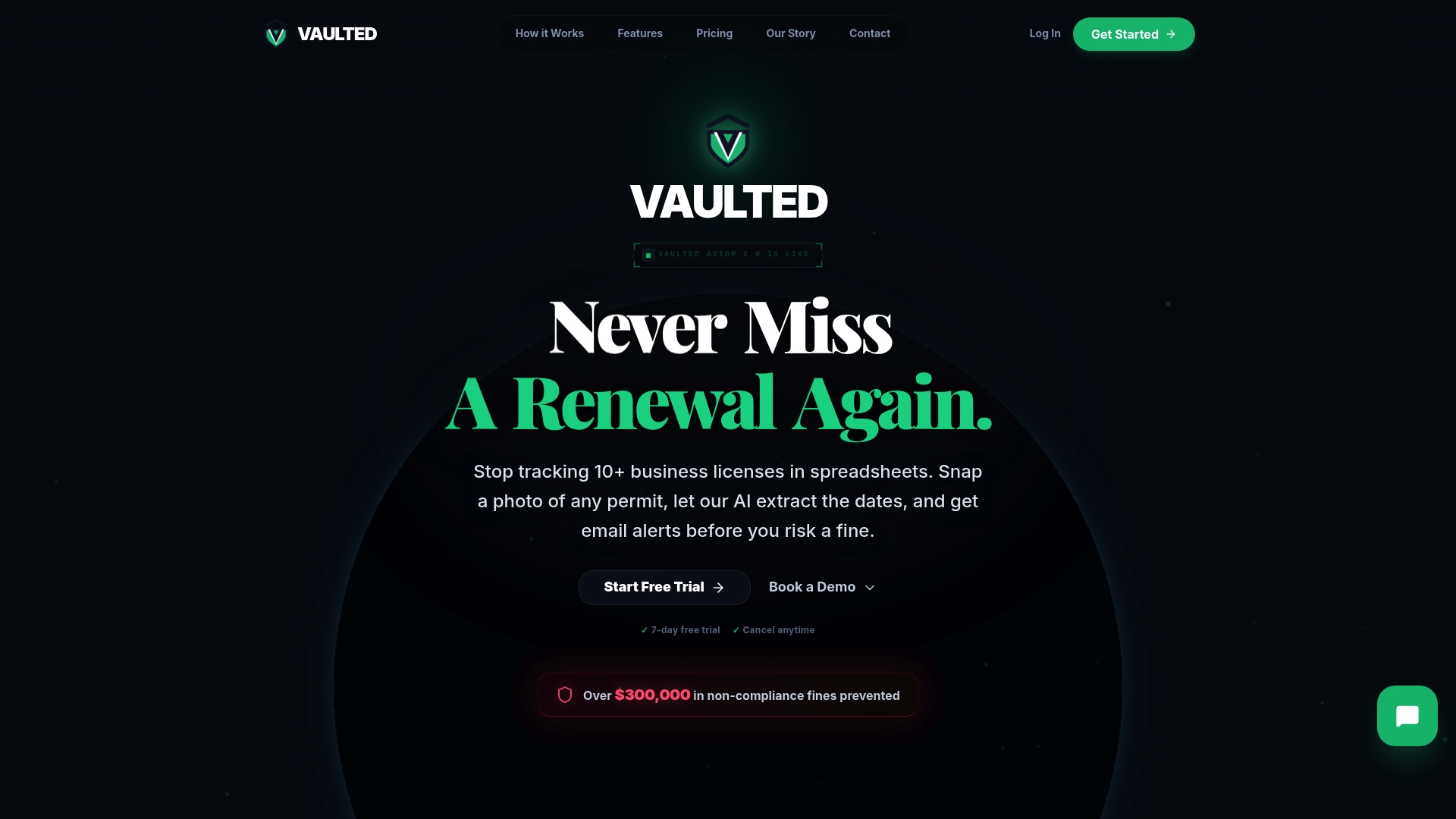
Regional franchise operators use Vaultedai to centralize permit records, set automated renewal alerts, and get full visibility into compliance status across every location without digging through email threads or spreadsheets. The platform is designed for fast onboarding, so you can get your existing locations loaded and tracked quickly. Whether you are managing 5 locations or 50, Vaultedai gives you the operational clarity to expand without losing track of what each location needs to stay open and compliant. Visit Vaultedai's permit tracker to see how it works for franchise operators.
FAQ
What is a regional franchise permit exactly?
A regional franchise permit is a private contractual agreement, typically an Area Development or Master Franchise Agreement, granting exclusive rights to develop and support multiple franchise units within a defined territory. No government agency issues a document by this name.
Is a franchise permit necessary to open a franchise location?
Yes, but the requirements are layered. The regional agreement grants territorial rights, while each physical location requires its own local permits, including a business license, Certificate of Occupancy, and health permit, before it can legally operate.
How do you obtain a franchise permit for a region?
You negotiate and sign a regional franchise agreement directly with the franchisor, meeting their financial and operational requirements. Each unit you subsequently open then requires separate local permit applications filed with the relevant city, county, and state agencies.
What are the typical financial requirements for regional franchise rights?
Most established brands require minimum liquidity of $350,000 to $500,000 and a net worth of around $1 million. Initial fees for regional rights range from $50,000 to $192,000 or more, depending on territory size and brand.
What causes delays in the franchise permit application process?
Incomplete permit applications are the primary cause of delays. Missing documents, unsigned forms, or incorrect fees trigger correction cycles that restart approval timelines and push opening dates back by weeks.